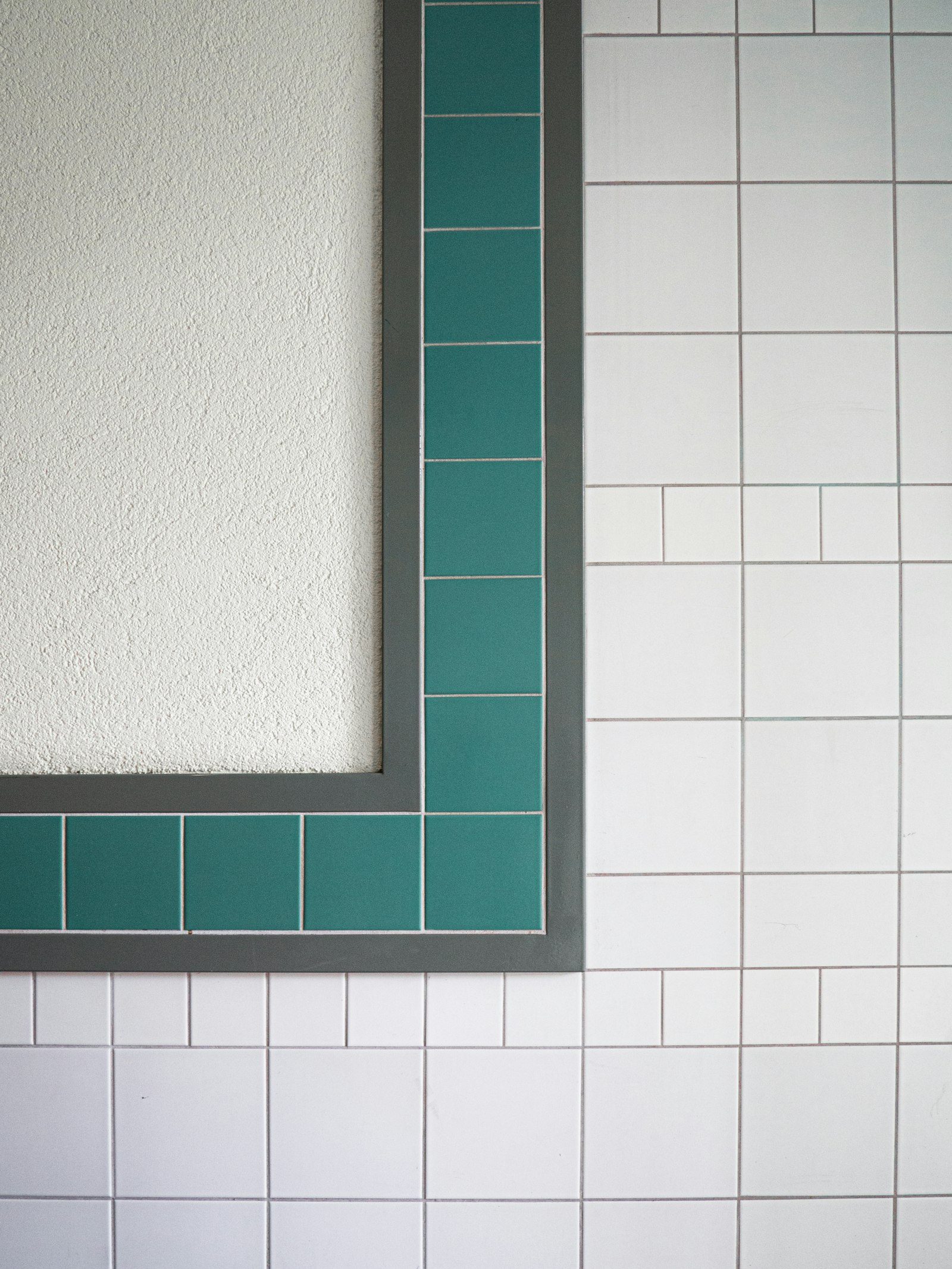
Why tile choice matters
Tiles cover most of the surfaces in a bathroom, so they shape how the room looks and feels more than any other material. They also play a practical role: they protect walls and floors, provide grip underfoot and need to be cleaned regularly. Choosing the right tiles means balancing appearance, safety, durability and ease of care.
This guide explains the main types of bathroom tiles, how to choose them for different parts of the room and what to consider for homes in Moe and the Latrobe Valley.
Tiles are not waterproof
It is a common misconception that tiles waterproof a bathroom. They do not. Grout is porous, and water can pass through it and through fine gaps around fixtures. The waterproofing membrane beneath the tiles, installed to AS 3740, is what protects the structure. Tiles are a durable, decorative and cleanable finish. This is why the quality of the waterproofing matters more than the tile itself, and why no tile choice can compensate for a poor membrane.
Types of bathroom tiles
Porcelain
Porcelain tiles are dense, hard-wearing and have very low water absorption. They are available in a wide range of looks, including stone, timber, concrete and solid colours, and in sizes from small mosaics to large slabs. Porcelain is suitable for floors, walls and showers, and it is the most common choice for bathrooms today.
Ceramic
Ceramic tiles are generally lighter and softer than porcelain, with higher water absorption. They are commonly used on walls, where they are easier to cut and install. Many ceramic tiles have glazed surfaces with strong colours and patterns. They are generally not as suitable for floors as porcelain.
Natural stone
Marble, travertine, limestone and slate offer a unique, natural look. Each tile is different. Stone needs sealing and careful maintenance, and some stones are sensitive to acidic cleaners and can stain or etch. Stone is a beautiful choice for people prepared to care for it.
Mosaics
Small tiles on mesh sheets are useful for shower floors, where they conform to falls, and for feature areas. Mosaics have more grout lines, which improve grip but require more cleaning.
Glass
Glass tiles reflect light and are often used as feature strips or splashbacks. They are not suitable for floors.
Terrazzo-look and patterned tiles
Terrazzo-look porcelain and encaustic-style patterned tiles add character. They work well on floors or as a feature wall.
Choosing floor tiles
Slip resistance
Slip resistance is the most important consideration for bathroom floors. Wet floors are a common cause of falls at home. Tiles are rated for slip resistance; for bathroom floors and especially shower floors, choose tiles with suitable ratings for wet areas. Matte, textured or structured finishes generally provide better grip than polished surfaces. Ask about the rating of any tile you are considering.
Size
Larger floor tiles mean fewer grout lines and a cleaner look, but they are harder to lay to falls in a shower. Smaller tiles or mosaics are often used in shower bases, where the floor slopes to the waste. Linear drains allow larger tiles to be used in showers by allowing a single-direction fall.
Durability
Floor tiles need to withstand foot traffic, dropped items and cleaning. Porcelain is the most durable choice for most bathrooms.
Warmth
Tiled floors can feel cold in a valley winter. In-floor heating under the tiles makes a big difference to comfort and helps dry the floor after showers.
Choosing wall tiles
Wall tiles do not need to be slip-resistant, so there is more freedom of choice. Consider:
- Gloss or matte. Gloss tiles reflect light and are easy to wipe; matte tiles feel softer and hide water marks.
- Size and format. Large tiles create a seamless look; subway or finger tiles add texture and pattern.
- Height. Tiling to the ceiling looks finished and is easier to clean; half-height tiling with painted walls above can soften the room.
- Feature walls. A feature tile behind the vanity or in the shower adds interest.
Choosing shower tiles
Shower floors need good slip resistance and must be laid to falls so water drains to the waste. Shower walls must be easy to clean. Niches should be planned so tiles align neatly with their edges. Consider the grout colour carefully; light grout on a shower floor can discolour over time.
Tile size and layout
Large-format tiles
Large tiles look modern and reduce grout lines. They need very flat substrates and skilled installation, and they generate more waste when cutting around fixtures. In small rooms, large tiles can make the space feel bigger.
Small tiles
Small tiles suit shower floors, feature areas and traditional styles. They involve more grout and more cutting.
Patterns
Tiles can be laid in many patterns, including straight stack, brick bond, herringbone, chevron and vertical stack. Patterns affect the look of the room and the time needed for installation.
Setting out
Good tiling depends on careful setting out. The tiler plans the layout so cuts are balanced, tiles align with niches, windows and fixtures, and there are no thin slivers at edges. This is a skilled part of the job.
Colour and style
Light colours
Light tiles make a room feel bigger and brighter, which suits small bathrooms. They show grout discolouration more readily.
Dark colours
Dark tiles create a moody, dramatic effect. They can show water marks and soap residue.
Neutral palettes
Neutral tones are timeless and easy to live with. Texture and natural materials keep them interesting.
Feature tiles
Bold tiles work well in small doses, such as a feature wall, a niche or a floor. Too many feature tiles can overwhelm a room.
Coordinating with fixtures
Consider how tiles will look with the vanity, tapware, lighting and mirror. Bring samples together and look at them in the room’s natural light.
Grout
Grout fills the joints between tiles. It is available in many colours. Consider:
- Colour. Matching grout creates a seamless look; contrasting grout highlights the pattern.
- Type. Cement-based grout is common; epoxy grout is more stain-resistant and suited to some applications.
- Width. Narrow joints look clean; wider joints may be necessary for some tiles.
- Maintenance. Lighter grout in showers needs more frequent cleaning.
Our guide to grout and silicone explains these materials in more detail.
Trims and edges
Exposed tile edges need to be finished. Options include mitred edges, metal trims and bullnose tiles. Trims should complement the tapware and fixtures.
Maintenance
Different tiles need different care:
- Porcelain is the easiest to maintain.
- Ceramic is easy to wipe but can chip.
- Natural stone needs sealing and gentle cleaners.
- Grout benefits from regular cleaning and, in some cases, sealing.
Good ventilation is the best way to keep tiles and grout clean in the humid valley climate.
Tiles in older Latrobe Valley homes
Many older homes in Moe, Newborough and Yallourn North have timber floors, which can flex. Tiles laid on a timber floor need a stiff, stable substrate, appropriate adhesive and movement joints. Large tiles are more sensitive to floor movement. We assess the floor and prepare it correctly before tiling, which is essential to prevent cracked tiles and grout.
Tiles in newer homes
Newer homes in Trafalgar, Yarragon and the growing estates around Moe usually have slab floors. These are more stable for large-format tiles, but must be checked for flatness and moisture before tiling.
Ordering tiles
Order enough tiles to allow for cuts, breakages and future repairs. It is wise to keep a box of spare tiles after the renovation, as matching tiles years later can be difficult. Check that all tiles come from the same batch to avoid colour variation.
Seeing tiles in person
Photos and screens rarely show the true colour and texture of tiles. Visit a showroom, bring samples home and look at them in your bathroom’s natural and artificial light at different times of day. We help you narrow down choices and check practical considerations.
Common tile mistakes to avoid
- Choosing a polished tile for a shower floor. Polished surfaces can be slippery when wet.
- Ignoring grout colour. Grout has a big effect on the finished look.
- Using too many feature tiles. A single feature is usually enough.
- Not ordering spares. Matching tiles later can be difficult.
- Choosing large tiles for a timber floor without proper preparation. Movement can crack large tiles.
- Assuming tiles are waterproof. The membrane underneath is what keeps water out.
Matching tiles to the way you live
The best tile is not always the most striking one in the showroom. Think about the people who will use the bathroom every day. A family with young children may value darker grout, matte surfaces and tiles that hide water marks. An older couple may prioritise slip resistance and good contrast between floor and walls, which helps people with reduced vision see edges and changes in level. A guest bathroom used occasionally can carry a bolder feature tile because it is cleaned less often and seen with fresh eyes.
Consider, too, how long you plan to stay in the home. If the bathroom needs to appeal to future buyers, timeless neutral tiles with one well-chosen feature tend to age better than a room built entirely around a current trend. If you intend to stay for many years, choose what you genuinely enjoy, as long as it meets the practical requirements of slip resistance and easy cleaning.
Tiles and light
The orientation of your bathroom affects how tiles look. A south-facing bathroom in a Moe home receives cool, indirect light, which can make grey and white tiles feel cold in winter. Warmer neutrals, textured finishes and timber-look tiles can balance this. A north- or west-facing room receives warmer light, which suits cooler tones. Artificial lighting also matters; warm white globes soften tiles, while cool white globes make them appear crisper. Look at samples under both before deciding.
Tile adhesives and substrates
The adhesive and substrate are as important as the tile. Different tiles and situations call for different adhesives, including flexible adhesives for timber floors and specific products for large-format and natural stone tiles. Full adhesive coverage under each tile prevents hollow spots that can crack under load. We choose adhesives to suit the tile, substrate and location, and we prepare substrates so they are flat, stable and compatible with the membrane.
Book a design consultation
If you are renovating a bathroom in Moe or a nearby town and want help choosing tiles, book a design consultation. We will look at your room, discuss your preferences and help you choose tiles that look good and suit the way your bathroom is used.
Our bathroom services
- Accessible Bathrooms
- Bathroom Design
- Bathroom Renovations
- Bathroom Tiling
- Ensuite Renovations
- Laundry Renovations
- Leaking Shower Repairs
- Powder Room Renovations
- Shower Conversions
- Small Bathroom Renovations
- Vanity and Storage
- Waterproofing
Book a design consultation
Tell us about your bathroom and we will visit to measure, talk through ideas and prepare a clear written scope for your home.
Book a design consultation