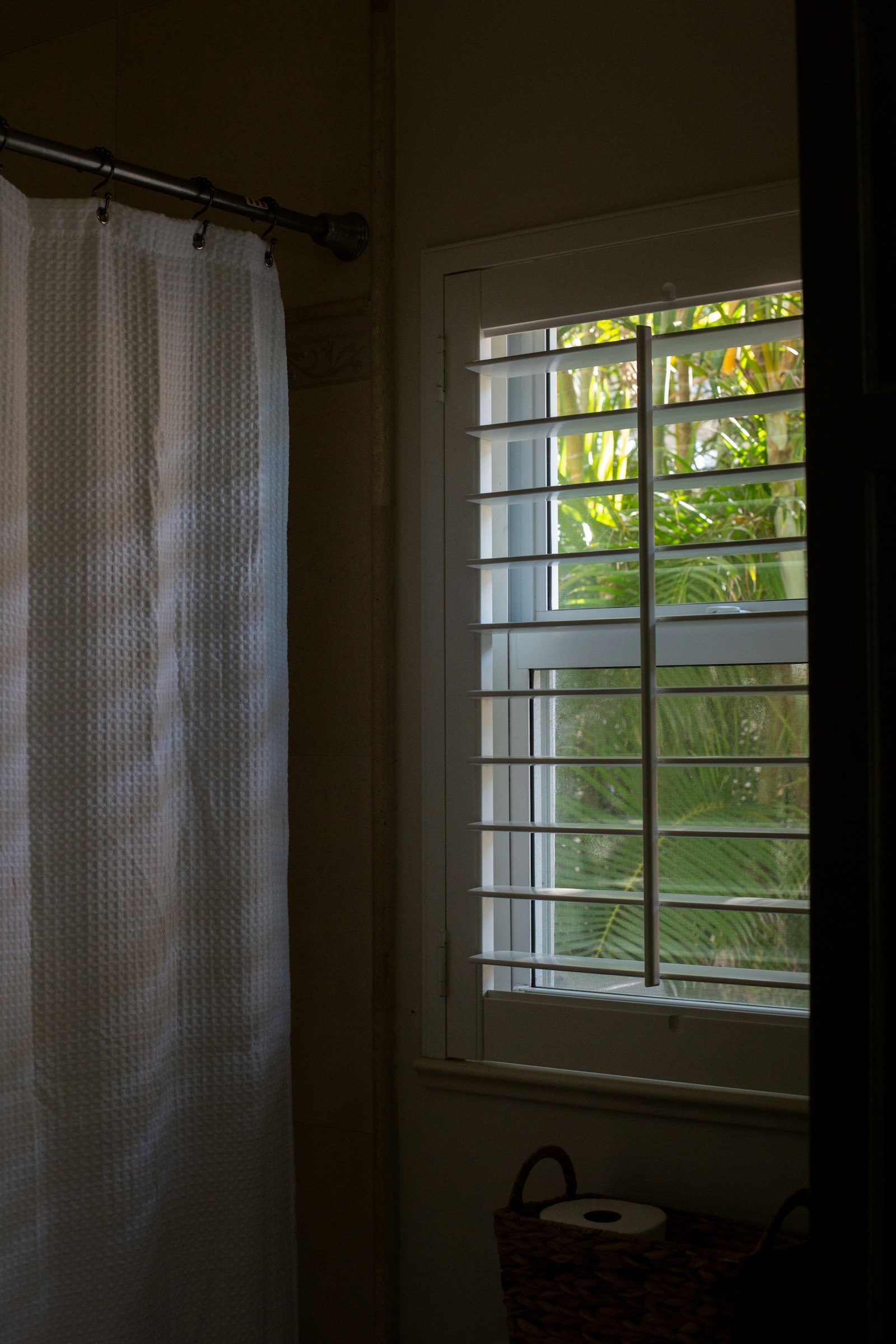
Why mould is a valley problem
Bathrooms produce a large amount of moisture. Every shower releases warm, humid air that settles on cooler surfaces as condensation. In the Latrobe Valley, where winters are cold and damp, fog sits in the valley on still mornings and many homes are older and less insulated, that moisture lingers. The result, in many bathrooms in Moe, Newborough, Yallourn North and Morwell, is mould on ceilings, grout, sealant and window frames.
Mould is more than a cosmetic issue. It can damage paint, plaster, timber and sealants, and it can affect the comfort and health of people in the home. The good news is that it is largely preventable. Good bathroom ventilation and heating, combined with sensible materials and simple daily habits, keep most bathrooms dry and mould-free.
How mould grows
Mould needs three things: moisture, a food source and suitable temperatures. Bathrooms provide all three. Soap scum, skin cells and dust provide food. Warm air from showers raises the temperature, and moisture settles on surfaces. When surfaces stay damp for long periods, mould spores that are always present in the air settle and grow.
The key to preventing mould is to reduce the time surfaces stay damp. That means removing moist air quickly, warming surfaces so less condensation forms, and drying the room after use.
Exhaust fans
An exhaust fan is the most important tool for removing moisture from a bathroom. A good fan:
- Has adequate capacity for the size of the room.
- Is located near the shower, where moisture is produced.
- Is ducted directly outside, not into the roof space.
- Has a run-on timer so it continues after the light is turned off.
- Is quiet enough that people are happy to use it.
Ducting outside
Many older bathrooms have fans that vent into the roof space. This moves moisture from the bathroom into the ceiling cavity, where it can condense on cold roofing, timber and insulation, potentially causing mould and damage. Fans should be ducted to the outside through the roof, eaves or wall, with a suitable external vent.
Run-on timers
Moisture lingers after a shower. A timer that keeps the fan running for a period after the bathroom is used helps clear the remaining humidity. Some fans include humidity sensors that turn on automatically.
Make-up air
For a fan to work, air must be able to enter the room to replace the air extracted. A gap under the door or a vent allows this. A bathroom sealed tightly may prevent the fan from working effectively.
Windows
Windows provide natural ventilation and light. However, in the cold of a valley winter, people often keep windows closed, and a window alone rarely removes moisture as effectively as an exhaust fan. Windows can also become cold surfaces where condensation forms, leading to mould on frames. Double glazing reduces condensation. Windows inside a shower need careful detailing to protect the frame and wall from water.
Heating
Warm surfaces collect less condensation, and heat helps the room dry more quickly. Options include:
- Heated towel rails. These dry towels and add gentle warmth.
- In-floor heating. This warms the floor, dries it quickly after showers and improves comfort.
- Ceiling heaters. Combined heat, light and fan units are common, but heat lamps alone do little to reduce moisture.
- Wall heaters. Electric panel heaters provide warmth on cold mornings.
Heating should be planned as part of the electrical work during a renovation. Our licensed electricians install circuits to suit your choices.
Insulation
Cold ceilings and external walls attract condensation. Insulating the ceiling and external walls of the bathroom during a renovation raises surface temperatures and reduces condensation. In older Latrobe Valley homes, bathroom walls and ceilings are often uninsulated, so a renovation is a good opportunity to add insulation.
Materials that resist mould
- Wet-area plasterboard on ceilings and walls outside the wet zone.
- Mould-resistant paint formulated for bathrooms.
- Sanitary-grade silicone with mould inhibitors.
- Epoxy or high-performance grout in showers.
- Porcelain tiles with low water absorption.
- Moisture-resistant joinery for vanities and cabinets.
These materials do not replace ventilation, but they help the room cope with moisture.
Daily habits that help
- Run the exhaust fan during and after every shower.
- Squeegee the shower walls and glass after use.
- Hang towels to dry on a heated rail or outside the bathroom.
- Leave the door open after showering to help air circulate.
- Wipe up water on floors and benches.
- Clean regularly to remove soap scum and dirt.
- Take shorter or slightly cooler showers in winter to reduce humidity.
Dealing with existing mould
Surface mould on tiles and glass can usually be cleaned with suitable bathroom cleaners. Mould on painted ceilings may require cleaning and repainting with mould-resistant paint. Mould that has penetrated silicone or grout cannot be fully removed and needs replacing. Persistent mould that returns quickly indicates a ventilation or heating problem that needs fixing.
When mould indicates a leak
Mould in unexpected places, such as on skirting outside the bathroom, on walls behind the shower or under the vanity, may indicate water escaping through a failed membrane. Other signs include stained or swollen timber, loose tiles, drummy floors and musty smells. In these cases, the solution is to investigate and repair the waterproofing, not just to clean the mould. Our leaking shower repair service addresses these problems.
Ventilation in ensuites
Ensuites are often small, internal rooms attached to bedrooms. Without a window, they rely entirely on an exhaust fan. Poor ensuite ventilation can push moisture into the bedroom, causing mould on walls and wardrobes. A properly sized, ducted fan with a run-on timer is essential.
Ventilation in laundries
Laundries also produce moisture, particularly from dryers. Vented dryers should exhaust outside, not into the room. An exhaust fan in the laundry helps remove moisture from washing and drying. Condenser and heat pump dryers reduce moisture output.
Planning ventilation during a renovation
A renovation is the best time to improve ventilation. With linings removed, it is easy to:
- Install a new exhaust fan in the right position.
- Run ducting outside.
- Add insulation to walls and ceilings.
- Install heating such as in-floor heating and towel rails.
- Improve window performance.
- Choose mould-resistant materials.
We design ventilation and heating as part of every bathroom renovation, tailored to the room and its location in the house.
Signs your bathroom needs better ventilation
- Mirrors stay fogged long after showering.
- Condensation drips from the ceiling.
- Mould returns quickly after cleaning.
- Paint peels from ceilings and walls.
- Towels stay damp for hours.
- Musty smells persist.
- Window frames show mould or water damage.
Mould and health
Mould can affect people with allergies, asthma or other respiratory conditions. If anyone in your household is sensitive, keeping the bathroom dry is especially important. If you have concerns about health effects, seek medical advice.
Ventilation in older Moe homes
Many homes in Moe and Newborough were built when bathroom ventilation was often limited to a small window or a vent into the roof. These homes frequently show signs of mould on ceilings and around windows. A renovation provides an opportunity to bring ventilation up to modern expectations, with a properly ducted exhaust fan and heating. In homes with timber floors, keeping the bathroom dry also helps protect the subfloor from moisture.
Rural and elevated homes
Homes in Hill End, Willow Grove, Erica and the foothills of the Baw Baw ranges experience colder temperatures and more fog than the valley floor. Ventilation and heating are particularly important in these locations. Insulation, double glazing and in-floor heating make a noticeable difference to comfort.
A simple checklist
1. Does the bathroom have an exhaust fan?
2. Is it ducted outside?
3. Is it near the shower?
4. Does it have a run-on timer?
5. Is there a gap under the door for make-up air?
6. Is the ceiling insulated?
7. Is there a heat source to help dry the room?
8. Are towels able to dry properly?
If the answer to any of these is no, there is room for improvement.
Choosing the right exhaust fan
Exhaust fans vary widely in capacity, noise and features. Capacity is usually expressed as the volume of air moved over time, and it should suit the size of the room and the amount of moisture produced. A large family bathroom with a busy shower needs more extraction than a small powder room. Ducting length and bends reduce a fan’s effective performance, so a fan that looks adequate on paper may underperform if the duct run is long or convoluted. We size fans with these factors in mind.
Noise matters more than people expect. A loud fan is often switched off early or not used at all. Inline fans, where the motor is mounted in the roof space away from the ceiling grille, are usually quieter in the room and can provide strong extraction. Other features worth considering include humidity sensors, which run the fan automatically when moisture rises, and backdraft shutters, which stop cold air entering through the duct on windy valley nights.
Fan placement
The best position for an exhaust fan is generally close to the shower, on the opposite side of the room from the door. This draws dry air in from the doorway, across the room and out through the fan, carrying moisture with it. A fan located directly above the door, or far from the shower, can extract dry air from the hallway while leaving humid air around the shower. In ensuites, the fan should pull air from the bedroom side through the ensuite and out, rather than pushing moisture into the bedroom.
Ventilation and the roof space
When ducting is run through the roof space, it should be insulated where it passes through cold areas to prevent condensation forming inside the duct and running back into the fan. The external outlet should be weatherproof and positioned so moist air does not simply re-enter through eaves vents. In older homes with low-pitched roofs, routing ducting can take some planning, which is easiest when ceilings are open during a renovation.
Clothes drying and the bathroom
In many homes, especially in winter, the bathroom becomes a place to dry clothes. Wet washing adds a large amount of moisture to the air, far more than a shower. If clothes must be dried indoors, a laundry with an exhaust fan or a dryer that vents outside is a better place than the bathroom. Planning a laundry with good ventilation as part of your renovation helps keep the whole house drier.
Book a design consultation
If mould is a recurring problem in your bathroom, or you are planning a renovation in Moe or a nearby town, book a design consultation. We will look at your room, assess ventilation and heating, and recommend practical improvements.
Our bathroom services
- Accessible Bathrooms
- Bathroom Design
- Bathroom Renovations
- Bathroom Tiling
- Ensuite Renovations
- Laundry Renovations
- Leaking Shower Repairs
- Powder Room Renovations
- Shower Conversions
- Small Bathroom Renovations
- Vanity and Storage
- Waterproofing
Book a design consultation
Tell us about your bathroom and we will visit to measure, talk through ideas and prepare a clear written scope for your home.
Book a design consultation