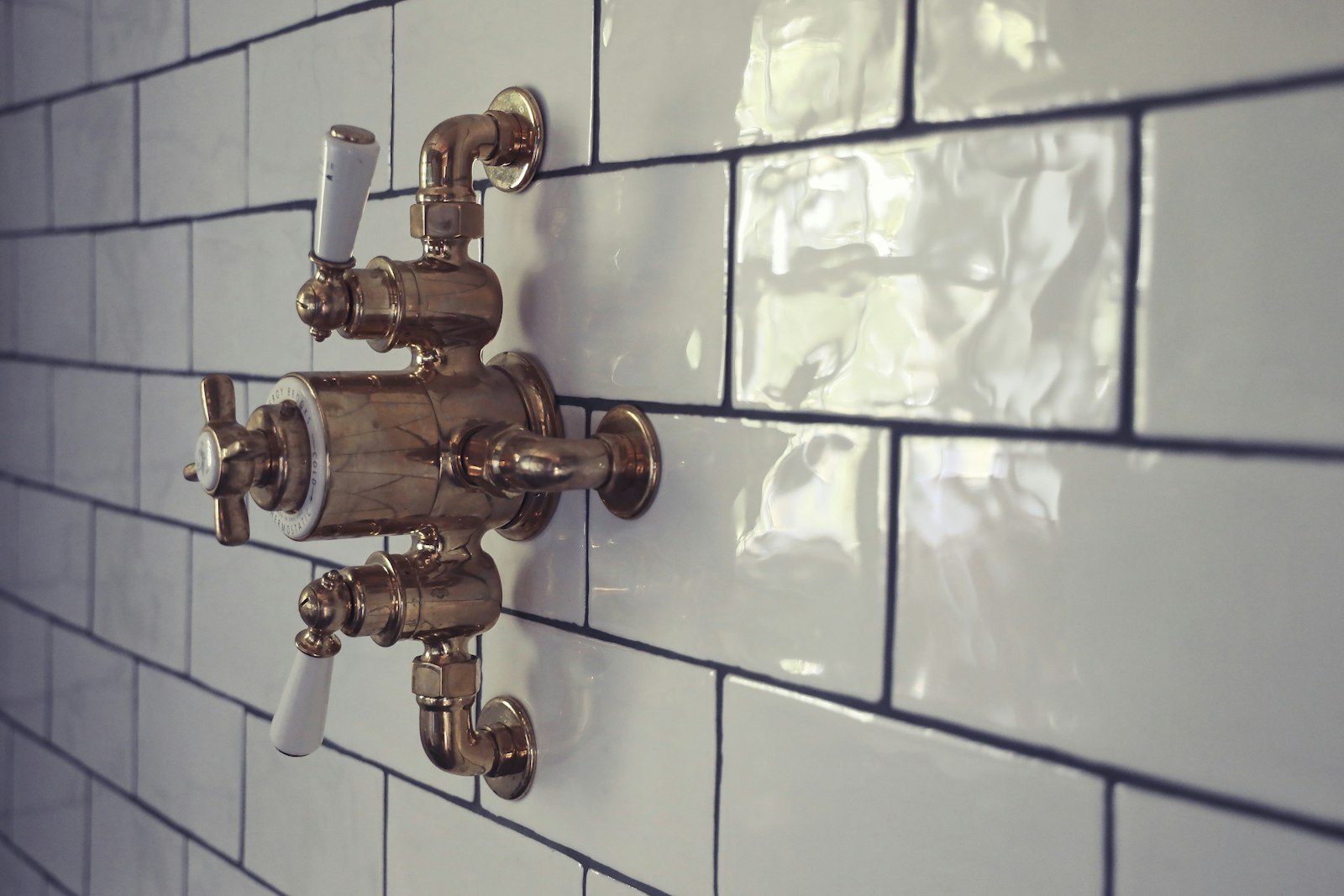
Two materials that do different jobs
Grout and silicone sit side by side in every tiled bathroom, and they can look similar from a distance. But they do quite different jobs. Grout fills the joints between tiles across flat surfaces. Silicone, or more correctly flexible sealant, fills the joints where surfaces meet or change direction, and where tiles meet fixtures such as baths, shower trays and vanities. Using the right material in the right place is essential for a bathroom that looks good and lasts.
This guide explains what each material does, the types available, how to care for them, and what it means when they start to fail. It is written for homeowners in Moe and the Latrobe Valley, where the cold, damp climate puts bathrooms under particular pressure.
What grout does
Grout fills the gaps between tiles. It:
- Locks tiles together into a continuous surface.
- Prevents debris from collecting between tiles.
- Provides a finished look to the tiled surface.
- Helps the surface resist day-to-day wear.
Grout is not waterproof. Most grouts are porous to some degree, and water can pass through them. This is why the waterproofing membrane beneath the tiles, installed to AS 3740, is essential. Grout and tiles form a durable finish, but the membrane is what keeps water out of the structure.
Types of grout
Cement-based grout
Cement-based grout is the most common type. It is made from cement, fine sand and additives, mixed with water. It comes in sanded and unsanded forms; sanded grout is used for wider joints, unsanded for narrow joints. Cement-based grout is quick and easy to work with, but it is porous and can stain if not cared for. It can be sealed to improve stain resistance.
Epoxy grout
Epoxy grout is made from resin and hardener. It is much less porous than cement grout, highly resistant to stains and chemicals, and very durable. It is harder to work with and requires skilled application. Epoxy grout is often used in showers, around benchtops and in areas where stain resistance is important.
Other grouts
There are also modified and pre-mixed grouts that offer improved stain resistance and flexibility. The right choice depends on the tile, joint width, location and how you want to maintain the surface.
What silicone does
Silicone sealant fills joints that need to move. Buildings move slightly with changes in temperature, humidity and load. Timber floors, common in older Latrobe Valley homes, move more than concrete slabs. Where two surfaces meet, such as the junction between a wall and floor, or between two walls in a corner, this movement can crack rigid grout. Flexible sealant accommodates the movement, preventing cracks.
Sealant is used:
- At internal corners where walls meet.
- At the junction between walls and floors.
- Around baths, shower trays and vanities.
- Around tapware and penetrations.
- At movement joints in large tiled areas.
- Where tiles meet different materials, such as timber or glass.
Why grout in corners fails
One of the most common faults in older bathrooms is grout used in corners and at changes of plane. When the building moves, this grout cracks. Water can then enter the crack, and over time it may find a path to the structure if the membrane is also compromised. Using flexible sealant in these locations is standard practice and is part of building a bathroom correctly.
Types of sealant
Silicone sealant
Silicone is the most common sealant in bathrooms. Choose a sanitary-grade silicone that contains a mould inhibitor. Silicone is flexible and water-resistant, but it does not accept paint, and it can discolour or lose adhesion over time.
Other flexible sealants
Other flexible sealants are used in some applications, including where paint is needed or for specific substrate compatibility. Your tradesperson will choose the right product for each location.
Colour matching
Grout and sealant are available in many colours. Matching the sealant to the grout gives a consistent appearance. Contrasting colours can highlight a tile pattern. In showers, lighter colours show discolouration more readily, so many people choose mid-tones that hide marks.
How long grout and silicone last
Grout, if installed and cared for properly, can last for many years. Sealant needs more regular attention. It is common for silicone in a busy shower to need replacing every few years, particularly in humid bathrooms with poor ventilation. Replacing sealant is a normal maintenance task, not a sign of a failed bathroom.
Signs grout needs attention
- Cracked or crumbling grout.
- Missing grout, leaving gaps between tiles.
- Persistent discolouration that will not clean.
- Mould that returns quickly after cleaning.
- Loose or drummy tiles near damaged grout.
Cracked or missing grout can let water reach the membrane more often. If the membrane is sound, this may not cause immediate damage, but it should be repaired promptly. If the membrane has also failed, water can reach the structure.
Signs sealant needs replacing
- Black mould under the surface of the sealant.
- Peeling or lifting at the edges.
- Gaps or splits in the bead.
- Hardened, cracked sealant.
Mould that has grown into the sealant cannot be cleaned out and requires removal and replacement.
Regrouting
Regrouting involves removing damaged grout, cleaning the joints and applying new grout. It can refresh the appearance of a bathroom and help protect the surface. However, regrouting does not fix a failed membrane. If water has been getting into the structure, regrouting alone may hide the problem without solving it. Before regrouting, it is worth checking for signs of water damage, such as stained skirting, swollen timber, loose tiles or musty smells.
Resealing
Resealing involves cutting out old sealant, cleaning the joint thoroughly, allowing it to dry, and applying new sealant. The joint must be clean and dry for the sealant to bond properly. In a busy family bathroom, this might mean keeping the shower out of use for a day or so.
Caring for grout
- Ventilate. Run the exhaust fan during and after showers.
- Squeegee. Wiping down walls after showering reduces moisture.
- Clean regularly with a pH-neutral cleaner.
- Avoid harsh chemicals that can damage grout.
- Seal cement-based grout if recommended.
- Deal with mould early before it penetrates.
Caring for sealant
- Keep it dry between uses.
- Clean gently. Abrasive cleaning can damage sealant.
- Watch for mould and replace sealant if it penetrates.
- Check corners and edges regularly for lifting.
The role of ventilation
The single most effective way to keep grout and silicone looking good is good ventilation. In the cold, humid winters of the Latrobe Valley, bathrooms in Moe, Newborough and Morwell often stay damp for hours after showering. Mould thrives in these conditions. An exhaust fan of adequate capacity, ducted directly outside and run for a period after showering, makes a significant difference. Heated towel rails and in-floor heating also help dry the room. Our guide to ventilation and mould prevention covers this in more detail.
Grout and silicone during a renovation
When we renovate a bathroom, grout and sealant are applied at the end of tiling. The process involves:
1. Setting tiles with suitable adhesive and allowing it to cure.
2. Applying grout to the flat joints.
3. Cleaning off excess grout.
4. Leaving movement joints free of grout at corners, edges and changes of plane.
5. Applying sealant to movement joints and around fixtures.
6. Allowing time for grout and sealant to cure before the shower is used.
We choose grout and sealant to suit the tile, location and your maintenance preferences, and we explain how to care for them at handover.
Common misconceptions
Grout is waterproof
It is not. The membrane is what waterproofs the bathroom.
Silicone fixes leaks
Applying silicone over cracks may hide a problem temporarily but will not fix a failed membrane.
More sealant is better
Sealant should be applied neatly and in the correct places. Excess sealant traps moisture and mould.
Mouldy silicone can be cleaned
Surface mould can sometimes be cleaned, but mould that has grown into the sealant needs removal and replacement.
When a repair becomes a renovation
If a bathroom has extensive grout damage, loose tiles, signs of water damage and an older or failed membrane, regrouting and resealing will not provide a lasting fix. In those cases, a leaking shower repair or a full renovation, with a new membrane to AS 3740, is the better solution. We can assess the bathroom and give you an honest recommendation.
Grout on timber floors
Many older homes in Moe, Newborough and Yallourn North have timber floors on stumps. Timber expands and contracts with seasonal changes in humidity, and the floor flexes slightly as people walk across it. Rigid grout on a floor that moves too much will crack, often in a pattern that follows the joists or the edges of sheet flooring. The solution is not simply a stronger grout. It is a stiff, stable floor structure, a suitable substrate, flexible adhesive, appropriately placed movement joints and grout selected for the conditions. During a renovation, we assess the floor carefully and strengthen it where necessary before any tiles are laid. This preparation is invisible once the room is finished, but it is the reason grout stays intact for years.
Grout and silicone in showers with glass
Where a frameless glass screen meets the tiled floor or wall, the junction is sealed with a clear or matched sealant. Screen channels and clamps must be fixed so that the membrane beneath remains intact, which means penetrations are planned and sealed carefully. When resealing around a shower screen, the old sealant is removed fully, the joint cleaned and dried, and a neat new bead applied. A sloppy bead traps water and collects mould, so neatness matters for performance as well as looks.
Choosing colours that stay looking good
In practice, grout colour decisions are usually a balance between the look you want on day one and how the surface will look after years of use. Very white grout on a shower floor looks crisp at handover but can show discolouration quickly in a busy family bathroom. Very dark grout hides marks but can show white mineral deposits, especially where water is hard. Mid-greys, warm greys and colours matched to the tile body are forgiving choices for floors, while walls offer more freedom. We bring samples so you can see grout against your chosen tiles before deciding.
Book a design consultation
If your bathroom grout or silicone is failing, or you are planning a renovation in Moe or a nearby town, book a design consultation. We will assess the room and recommend the right next step.
Our bathroom services
- Accessible Bathrooms
- Bathroom Design
- Bathroom Renovations
- Bathroom Tiling
- Ensuite Renovations
- Laundry Renovations
- Leaking Shower Repairs
- Powder Room Renovations
- Shower Conversions
- Small Bathroom Renovations
- Vanity and Storage
- Waterproofing
Book a design consultation
Tell us about your bathroom and we will visit to measure, talk through ideas and prepare a clear written scope for your home.
Book a design consultation