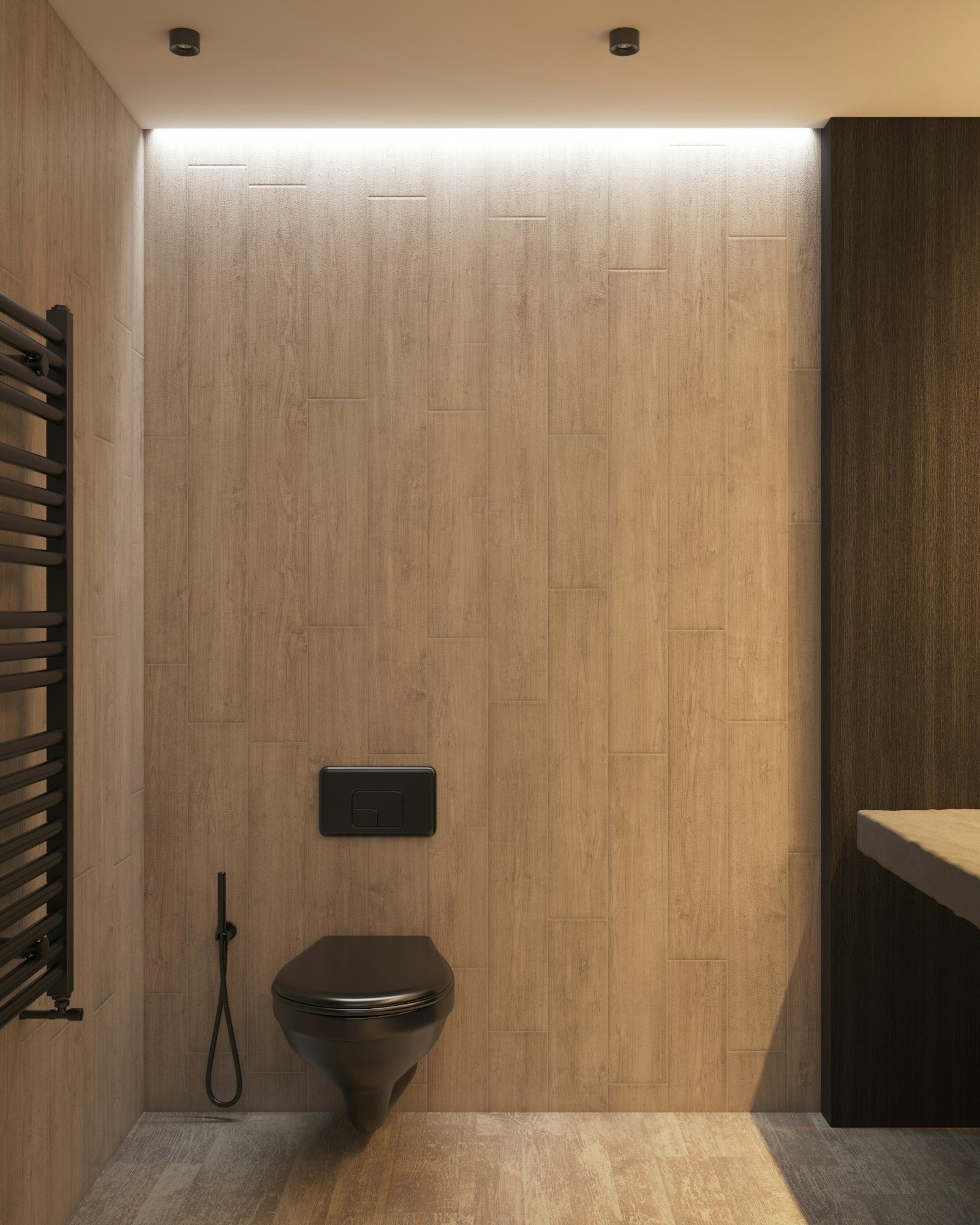
Bathrooms beyond the town water mains
Not every home around Moe is connected to town water and sewer. Rural properties around Thorpdale, Narracan, Hill End, Willow Grove, Westbury, Tanjil South and Erica often rely on rainwater tanks for water supply and on-site wastewater systems, such as septic tanks or treatment systems, for sewage. Some homes on the edges of towns are in a similar position. Renovating a bathroom on these properties involves some extra considerations that do not apply to homes on mains water and sewer.
This guide explains what to think about when renovating a bathroom on a property with tank water, an on-site wastewater system or both. It is general information; your local council, the system manufacturer and a licensed plumber can advise on your specific situation.
Understanding your water supply
Rainwater tanks
Many rural homes collect rainwater from the roof into tanks. The water is pumped to the house by an electric pump, which may be connected to a pressure tank or controller. Some homes also have a bore, a dam supply for outdoor use, or a combination of sources.
Water pressure
Tank water systems rely on a pump to provide pressure. The pump’s capacity determines how well showers, taps and toilets perform. A pump that was adequate for an old, low-flow shower may struggle with a new shower that has a large head and a hand shower running together, or with two showers in use at once. Before choosing fixtures, it is worth checking the pump’s capacity and condition.
Water quality
Rainwater can carry sediment, leaves and other material from the roof. Filters at the pump or point of entry protect fixtures. Some tapware, particularly thermostatic mixers and fixtures with fine aerators, is sensitive to sediment, so filtration and regular maintenance help them perform well.
Water availability
In dry summers, tank levels can fall. Water-efficient fixtures help households make their supply last. Large baths and high-flow shower heads use more water.
Choosing fixtures for tank water
- Water-efficient shower heads reduce consumption while still providing a comfortable shower.
- Dual-flush toilets with good water efficiency ratings reduce use.
- Aerated basin taps reduce flow.
- Tapware suitable for low or variable pressure performs better on pumped systems.
- Filters protect valves and cartridges.
Check the water efficiency rating of fixtures. Efficient fixtures are good for every home, but they are especially valuable on tank water.
Hot water on rural properties
Rural homes may have electric storage, heat pump, solar or wood-fired hot water systems. Each has its own considerations for capacity, recovery time and compatibility with tapware. A larger shower may draw more hot water than an older one, so consider whether your system can keep up, especially in winter. If the hot water unit is a long way from the bathroom, consider ways to reduce the wait for hot water.
On-site wastewater systems
Septic tanks
A traditional septic tank receives wastewater from the house. Solids settle and are broken down by bacteria; liquid flows to a soil absorption trench or other disposal area. Septic tanks need periodic pumping out.
Treatment systems
Some properties have aerated or other treatment systems that treat wastewater to a higher standard, often for irrigation. These systems have pumps, aerators and alarms, and require regular servicing.
Capacity
On-site systems are sized for the expected number of people and the volume of wastewater. Adding a bathroom, adding bedrooms or substantially increasing water use may affect the system’s capacity. If you are adding a bathroom rather than renovating an existing one, check with your council whether a permit or alteration is required for the wastewater system.
Council approvals
In Victoria, on-site wastewater systems are regulated by local councils under environmental regulations. Installing, altering or extending a system usually requires a council permit. Simply renovating an existing bathroom in the same location without increasing load usually does not alter the system, but adding fixtures or bathrooms may. We can help you understand when to contact the council.
What goes into the system
On-site systems rely on bacteria to break down waste. Some products can harm these bacteria or clog the system:
- Harsh cleaning chemicals and bleach in large quantities.
- Wipes, even those labelled flushable.
- Sanitary products.
- Excessive oils and fats.
Choosing bathroom finishes that are easy to clean with mild products helps protect the system. Porcelain tiles, good grout, glass with coatings and well-ventilated rooms reduce the need for harsh cleaners.
Drainage design on rural properties
Drainage from the bathroom must connect correctly to the wastewater system with appropriate falls. On rural properties, drainage runs can be long. During a renovation, a licensed plumber checks the drainage and may recommend repairs. If the bathroom layout changes, drainage is redesigned to suit, with consideration for the system’s inlet.
Toilets on septic systems
Most standard toilets are suitable for septic systems. Some homeowners consider alternatives, but conventional toilets with good water efficiency are suitable for most properties. Avoid in-tank chemical cleaning blocks, which may affect the system.
Water heaters and solar
Many rural homes in the region use solar hot water. Solar systems perform well in summer but need a booster in winter. Check how the booster works and whether the system can handle the demand of the renovated bathroom.
Waterproofing on rural properties
Waterproofing requirements under AS 3740 apply to all homes, whether on mains or tank water. Rural homes may be older, with timber floors on stumps, and may have experienced long-term moisture damage. We inspect the structure and repair it before waterproofing and tiling.
Ventilation on rural properties
Rural homes in elevated areas such as Hill End, Willow Grove and Erica can be cold and damp, with fog and frost in winter. Good ventilation and heating are essential to prevent mould. Exhaust fans should be ducted outside, and heating such as in-floor heating or heated towel rails helps keep the room dry.
Access and logistics
Rural properties can be some distance from suppliers, and access may be via gravel roads or long driveways. We plan deliveries, waste removal and trades scheduling with this in mind. Skip bins may need suitable access and placement. Clear communication about access helps the job run smoothly.
Common issues on rural bathrooms
- Low water pressure from old or undersized pumps.
- Sediment blocking taps and mixers.
- Long waits for hot water.
- Damp, cold bathrooms with mould.
- Old timber floors with moisture damage.
- Unclear drainage connections.
Questions to ask before renovating
1. What is the capacity and condition of your pump?
2. Is there filtration on the water supply?
3. What type of hot water system do you have, and is it adequate?
4. What type of wastewater system do you have, and when was it last serviced?
5. Are you adding fixtures or bathrooms that may increase wastewater load?
6. Do you need council approval for any changes?
7. Is access suitable for deliveries and waste removal?
Our approach on rural properties
We start with a consultation at your property. We look at the bathroom, the water supply, hot water and drainage. We discuss your plans and identify any questions for your pump supplier, wastewater service provider or council. We design the bathroom with water efficiency and suitable fixtures in mind, and we coordinate licensed plumbing work to connect everything correctly.
Pumps, pressure and modern tapware
Modern bathrooms often include features that demand more from the water supply than older ones. A rainfall shower head, a hand shower, a thermostatic mixer and a wall-hung toilet with an in-wall cistern each have their own requirements. Thermostatic mixers, for example, often need balanced hot and cold pressure to work properly. On a pumped tank supply with a hot water system fed at a different pressure, they may not perform as expected unless the system is set up correctly.
Before selecting tapware, we check the manufacturer’s minimum pressure requirements and compare them with what your system delivers. Where needed, pressure-limiting or balancing valves can be fitted, or a pump upgrade considered. It is far better to resolve these questions at the design stage than to discover after handover that the new shower runs weakly or swings between hot and cold.
Pump noise and placement
Many rural homes have pumps located close to the house. When a new shower is installed, the pump may run more often or for longer. If the pump is near a bedroom or the bathroom, noise can become noticeable, particularly early in the morning. A pressure tank or variable-speed pump can reduce cycling and noise. While these items sit outside the bathroom, they directly affect how the new room feels to use, so it is worth discussing them during planning.
Rainwater and roof catchment
Roof condition and gutters affect water quality. Gutters full of leaves, roofs with lichen or old coatings, and tanks without first-flush diverters can all deliver more sediment to the house. Simple maintenance, such as cleaning gutters, installing leaf guards and fitting first-flush devices, improves the quality of water reaching your new bathroom and protects tapware and appliances over time.
Planning a second bathroom on a rural property
Families on rural blocks sometimes add a second bathroom or ensuite as the household grows. Because this increases the number of fixtures and potentially the volume of wastewater, it may require a review of the on-site system’s capacity. In some cases, the existing system is adequate; in others, an upgrade or extension of the disposal area is needed. Your council’s environmental health team can advise on what applies, and we can coordinate with a licensed plumber and wastewater designer as part of the project.
Living on site during the work
On rural properties, the nearest alternative bathroom may be a long drive away. If yours is the only bathroom, planning becomes even more important. Keeping a toilet working for as much of the job as possible, scheduling the work to minimise time without a shower, and, where practical, completing the shower first are all options we discuss before starting.
Book a design consultation
If you own a rural property near Moe, Thorpdale, Narracan, Hill End, Willow Grove, Westbury, Tanjil South or Erica and your bathroom is due for renewal, book a design consultation. We will look at your bathroom and your property’s services and plan a renovation that suits life beyond the mains.
Our bathroom services
- Accessible Bathrooms
- Bathroom Design
- Bathroom Renovations
- Bathroom Tiling
- Ensuite Renovations
- Laundry Renovations
- Leaking Shower Repairs
- Powder Room Renovations
- Shower Conversions
- Small Bathroom Renovations
- Vanity and Storage
- Waterproofing
Book a design consultation
Tell us about your bathroom and we will visit to measure, talk through ideas and prepare a clear written scope for your home.
Book a design consultation